
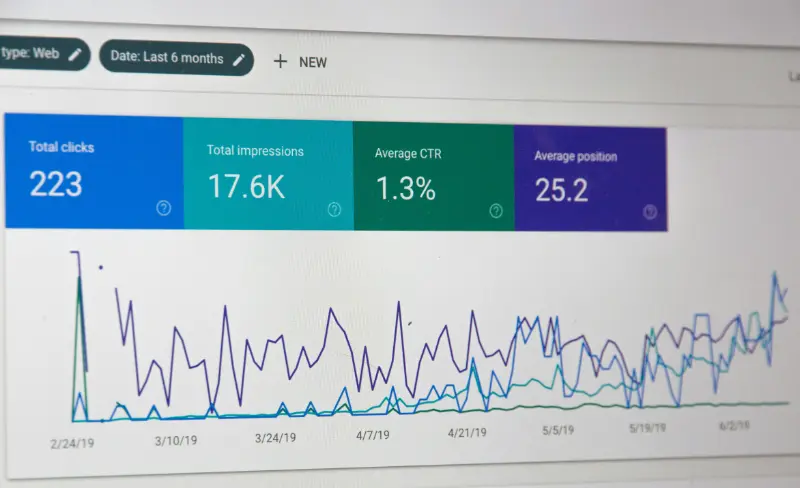
Search Engine Optimization (SEO) is a constantly evolving field, and machine learning (ML) is playing an increasingly significant role in shaping how search engines rank websites. From content optimization to keyword research, search intent analysis, and predictive analytics, machine learning enhances SEO strategies by automating processes, uncovering hidden patterns, and improving user experience.
This article explores machine learning techniques for SEO optimization, their impact on search rankings, and practical implementation strategies for marketers and website owners.
How Machine Learning Impacts SEO
Machine learning allows search engines like Google to improve ranking algorithms dynamically by analyzing massive amounts of data. Some key areas where machine learning affects SEO include:
- Search Engine Algorithms: Google’s RankBrain and BERT use ML to understand search intent and rank pages accordingly.
- User Experience & Engagement Metrics: ML evaluates bounce rates, dwell time, and click-through rates (CTR) to determine search rankings.
- Natural Language Processing (NLP): Algorithms understand search queries better, favoring high-quality, contextually relevant content.
- Spam Detection: ML helps search engines penalize low-quality and spammy content.
Understanding these areas is essential for optimizing websites and staying ahead in search rankings.
Key Machine Learning Techniques for SEO Optimization
1. Natural Language Processing (NLP) for Content Optimization
Natural Language Processing (NLP) is one of the most impactful machine learning techniques used in SEO today. Google’s BERT (Bidirectional Encoder Representations from Transformers) and MUM (Multitask Unified Model) enhance how search engines understand content, making it more important than ever to optimize for semantic search.
How NLP Helps in SEO:
- Semantic Keyword Analysis: Instead of just focusing on exact-match keywords, NLP allows search engines to understand the meaning behind queries, leading to more accurate content recommendations.
- Content Structuring: NLP helps identify important sections, subtopics, and headings within articles, improving readability and engagement.
- Sentiment Analysis: Search engines can analyze user sentiment in reviews and feedback, influencing rankings for businesses.
- Entity Recognition: Extracting named entities (such as locations, brands, or people) improves contextual understanding and relevance.
By leveraging NLP-based tools like Google’s NLP API or SurferSEO, marketers can ensure that their content aligns with how search engines process and rank pages.
2. Predictive Analytics for SEO Strategy
Predictive analytics uses historical data to forecast future search trends, traffic fluctuations, and keyword performance. Machine learning models analyze user behavior patterns to predict which SEO strategies will be most effective in the future.
How Predictive Analytics Improves SEO:
- Traffic Forecasting: Machine learning models analyze search volume trends to predict potential organic traffic growth.
- SERP Rank Prediction: AI-based algorithms assess domain authority, page optimization, and backlink profiles to estimate a page’s ranking potential.
- Click-Through Rate (CTR) Optimization: Predictive models help determine the best headline and meta description formats to increase CTR.
- Competitor Analysis: ML-powered tools analyze competitor trends, backlink acquisition strategies, and keyword focus to refine SEO tactics.
Popular tools like Google Search Console Insights and Ahrefs use predictive analytics to help marketers optimize their SEO strategies proactively.
3. AI-Powered Keyword Research
Traditional keyword research relies on search volume, competition, and CPC data. Machine learning takes this a step further by uncovering hidden semantic connections and long-tail keyword opportunities.
AI-Driven Keyword Research Techniques:
- Latent Semantic Indexing (LSI): ML identifies words and phrases commonly associated with a topic, ensuring content covers a subject comprehensively.
- User Intent Analysis: AI categorizes queries based on navigational, informational, commercial, or transactional intent, optimizing content accordingly.
- Long-Tail Keyword Discovery: Machine learning finds low-competition, high-conversion phrases that traditional research may overlook.
- Competitor Keyword Gaps: AI tools analyze top-ranking competitors to find missed keyword opportunities.
Platforms like SEMrush, Ahrefs, and Clearscope integrate ML-based keyword research for data-driven SEO strategies.
4. AI-Powered Content Generation & Optimization
AI-driven tools like GPT-4, Jasper, and Copy.ai automate content creation while ensuring SEO-friendliness and natural readability.
How AI Enhances Content Writing:
- Headline and Meta Description Optimization: AI suggests engaging titles and descriptions to improve CTR.
- Content Structuring & Readability Analysis: AI recommends optimal paragraph and sentence structures for better user engagement.
- Content Gap Identification: ML analyzes competitors’ top pages to suggest topics and subtopics to include.
- Multilingual SEO: AI tools help create translated, localized content to target global audiences effectively.
AI-powered content tools like SurferSEO and Frase provide on-page recommendations based on real-time search engine rankings.
5. Image and Video SEO Optimization
With the rise of visual search and multimedia content, machine learning helps optimize images and videos for better SEO rankings.
How ML Enhances Image & Video SEO:
- Automated Image Tagging: AI generates relevant alt text and metadata to improve indexing.
- Video Transcription and Captioning: Search engines crawl video content more efficiently with auto-generated captions and subtitles.
- Image Recognition: ML tools categorize images based on objects, locations, and context, helping visual search ranking.
- Image Compression & Optimization: AI tools like TinyPNG and Cloudinary enhance load speed, a crucial SEO factor.
Google’s Vision AI and YouTube’s ML-based recommendations highlight how search engines use AI for multimedia content ranking.
6. AI Chatbots and Voice Search Optimization
As more users rely on voice search and AI-driven chatbots, optimizing for conversational queries has become essential.
How AI Improves Voice Search SEO:
- Conversational Keyword Targeting: AI helps structure content around question-based, long-tail queries.
- Structured Data Markup: Implementing schema markup makes content more discoverable for voice searches and featured snippets.
- Local SEO Optimization: Voice assistants prioritize location-based search results, requiring geotagged content.
- Chatbot Engagement Tracking: AI-driven chatbots improve user engagement, reducing bounce rates and improving dwell time.
Tools like Google’s Dialogflow help businesses create AI-powered chatbots to engage visitors and enhance SEO rankings.
7. AI-Driven Technical SEO Audits
Machine learning automates SEO audits by detecting crawl errors, site speed issues, and broken links that impact rankings.
How ML Enhances Technical SEO:
- Automated Crawl Analysis: AI-powered crawlers detect indexation problems and duplicate content issues.
- Page Load Speed Optimization: ML analyzes render-blocking resources and large assets that slow down a site.
- Mobile-Friendliness Analysis: AI tools ensure content meets Google’s Mobile-First Indexing requirements.
- Duplicate Content Detection: ML-based auditing tools identify and flag thin or duplicate content that can lead to search penalties.
Popular technical SEO tools like Screaming Frog, DeepCrawl, and Sitebulb integrate ML algorithms for in-depth site audits.
Conclusion
Machine learning is transforming SEO by enabling automation, improving content relevance, and predicting search trends. By leveraging NLP, predictive analytics, AI-driven content generation, and technical audits, SEO professionals can stay ahead of algorithm updates and improve search rankings.
Key Takeaways:
✅ NLP enhances content optimization and search intent matching. ✅ Predictive analytics helps forecast keyword performance and SERP rankings. ✅ AI-driven tools automate keyword research, content creation, and technical SEO. ✅ Voice search and chatbots require structured data for improved visibility. ✅ Machine learning improves image and video SEO, optimizing multimedia content.
With these ML-driven SEO strategies, businesses can boost search rankings, enhance user experience, and drive organic traffic effectively.